A dead tree is still a structure
A standing dead tree can be brittle. Bark may be gone, the wood may be dry, and the usual hinge used in felling may not hold. That changes how the tree is taken apart. It does not make the job casual. Targets under a brittle crown still matter: a roof, a walk, a parked car, a neighbor.
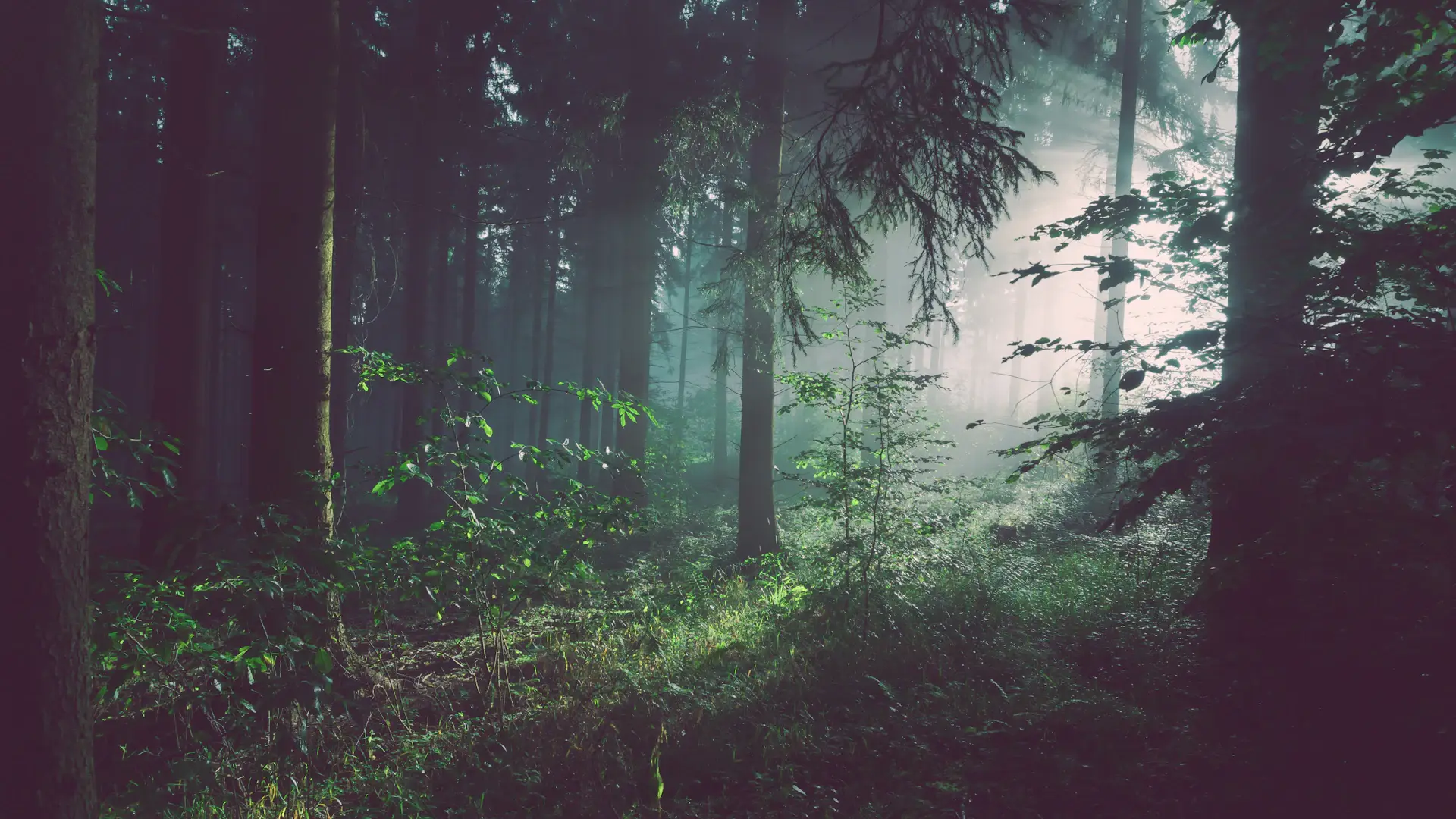
The forest photograph on this page is a living stand. It is here as atmosphere, not as an example of a dead tree and not as a finished removal.
Dead, fallen, and emergency
Use this page when the tree is upright and dead. Use fallen tree removal when it is down. Use emergency tree removal when a standing tree is in active failure, split, or hung up. A dead tree can also be an emergency if it is about to hit something. Say which situation you actually have.
Death is not a free pass
The City of Tampa’s protection rules are about protected trees, not only about healthy ones. A dead protected tree can still require a permit or a specific exemption. Florida Statute 163.045 can limit a city’s permit demand in narrow residential cases when an ISA-certified arborist or a Florida licensed landscape architect has documented an unacceptable risk. “It looks dead” is not that documentation. This form does not produce that documentation.
Read the permit guide before anyone cuts.
What the review needs
- Is the tree fully dead, or is the top dead and the trunk still leafing out?
- Diameter, height, and lean.
- What it would hit.
- Whether wood is soft, hollow, or full of cavities.
- Access, and whether the stump is part of the request.
Dead tree removal cost is not a flat category. Brittle wood over a house can cost more attention than a small dead ornamental in an open bed. No price is published.
After agreement
The scope should say if the trunk is dismantled or felled, what wood stays for the owner, and whether the stump is ground. Wildlife cavities are a real limit. If a cavity is occupied, the timing of the work can change. This site does not promise a wildlife survey.